
ultimate-guide
Crawl Space Encapsulation in Charlotte NC: A Homeowner's Guide
Last Updated: October 27, 2026
Crawl Space Encapsulation in Charlotte, NC: The Complete Homeowner's Guide
SEO Title: Crawl Space Encapsulation Charlotte NC | Costs, Benefits & Expert Guide
Meta Description: Learn about crawl space encapsulation in Charlotte, NC. Compare vapor barriers, insulation, dehumidifiers, drainage solutions, and costs. Get a free estimate from ETA Home Solutions.
Suggested URL: /blog/crawl-space-encapsulation-charlotte-nc
Quick Summary
Crawl space encapsulation is one of the most effective ways to help manage moisture beneath homes in Charlotte, North Carolina. A properly designed system can reduce ground moisture evaporation, limit humid outdoor air entering the crawl space, and help protect insulation and structural wood from prolonged moisture exposure.
However, not every home needs full encapsulation.
Some crawl spaces may only need a new vapor barrier, while others require vent sealing, air sealing, insulation improvements, drainage, or a dedicated dehumidifier.
At ETA Home Solutions, we believe the best solution starts with identifying the actual problem rather than recommending the same system for every home.
In this guide, you'll learn:
- Why Charlotte-area crawl spaces experience moisture problems.
- The difference between a basic vapor barrier and full encapsulation.
- How 12-mil, 16-mil, and 20-mil vapor barriers compare.
- When crawl space insulation should be replaced.
- Whether a dehumidifier is necessary.
- When French drains or sump pumps are recommended.
- What affects crawl space encapsulation costs.
- How to choose the right solution for your home.
1. Why Crawl Space Moisture Is Common in Charlotte, NC
Charlotte's warm, humid summers and frequent periods of heavy rainfall create challenging conditions for crawl spaces.
Many homes throughout Charlotte, Matthews, Mint Hill, Indian Trail, Monroe, and surrounding communities were constructed with traditional vented crawl spaces.
These vents were originally intended to allow outside air to circulate beneath the home.
Unfortunately, during humid weather, outdoor ventilation can sometimes introduce more moisture than it removes.
How Humidity Causes Problems
When warm, humid outdoor air enters a cooler crawl space, moisture can condense on surfaces such as:
- HVAC ductwork.
- Plumbing lines.
- Floor joists.
- Subflooring.
- Foundation surfaces.
This occurs when a surface is cooler than the dew point of the surrounding air.
Over time, excessive moisture can contribute to sagging insulation, musty odors, mold growth, and deterioration of wooden building materials.
Ground Moisture Is Another Major Concern
Even when a crawl space has no visible standing water, moisture can evaporate from exposed soil.
That moisture enters the crawl space air and can contribute to elevated humidity.
A properly installed vapor barrier reduces moisture evaporation from the ground, helping create a more controlled environment.
What About North Carolina's Red Clay Soil?
Clay-rich soils are common throughout parts of the Charlotte region.
Depending on the property's grading and drainage conditions, these soils can contribute to slow drainage and water accumulation around foundations.
However, clay soil alone does not mean a home needs a French drain.
The source of water intrusion should always be identified before recommending drainage improvements.
2. Warning Signs Your Crawl Space Has a Moisture Problem
Most homeowners rarely enter their crawl spaces, so moisture problems can develop unnoticed.
Here are some common warning signs.
Musty Odors
A persistent musty smell may indicate excessive moisture or microbial growth beneath the home.
Sagging or Falling Insulation
Fiberglass insulation can become damp, lose support, and eventually fall from the floor joists.
Condensation on HVAC Ductwork
If your crawl space ductwork appears wet or has water droplets forming on its surface, high humidity may be contributing to condensation.
Damaged duct insulation or air leaks may also be involved.
Mold-Like Growth on Wood
Dark or discolored areas on floor joists and subflooring can indicate possible microbial growth or previous moisture exposure.
Discoloration alone does not confirm mold. Proper evaluation may be needed.
Standing Water
Puddles, muddy areas, or water stains may indicate foundation seepage, poor exterior drainage, or plumbing leaks.
High Relative Humidity
Persistently elevated humidity increases the likelihood of condensation and moisture-related problems.
If you notice any of these conditions, a professional crawl space inspection can help determine the source.
3. What Is Crawl Space Encapsulation?
Crawl space encapsulation is a moisture-control approach designed to reduce unwanted moisture entering the space beneath your home.
Unlike a basic vapor barrier that primarily covers exposed soil, full encapsulation generally creates a more continuous moisture-control system.
Depending on the design, the work may include:
- Installing a heavy-duty vapor barrier across the crawl space floor.
- Extending the vapor barrier onto foundation walls.
- Wrapping or sealing around support piers.
- Overlapping and sealing vapor barrier seams.
- Sealing foundation vents.
- Air sealing accessible gaps and penetrations.
- Installing or adjusting insulation.
- Adding a crawl space dehumidifier or another approved humidity-control system.
- Correcting drainage problems when necessary.
The objective is to reduce moisture entry and maintain a more stable crawl space environment.
Important: Encapsulation does not replace the need to repair active plumbing leaks, foundation seepage, or significant drainage problems.
Those issues should be addressed as part of the overall moisture-control plan.
4. Basic Vapor Barrier vs. Mid-Level Moisture Control vs. Full Encapsulation
One of the biggest misconceptions about crawl space work is that every homeowner needs a complete encapsulation system.
In reality, different crawl spaces require different solutions.
Option 1: Basic Vapor Barrier
A basic vapor barrier covers exposed soil to reduce ground moisture evaporation.
This may be appropriate when:
- The crawl space is relatively dry.
- There is no recurring standing water.
- Existing insulation is in good condition.
- Humidity is not persistently elevated.
- Ground moisture is the primary concern.
A basic vapor barrier is often a practical and budget-conscious improvement.
However, if foundation vents remain open, humid outside air can still enter the crawl space.
Option 2: Mid-Level Moisture Control
A mid-level system may provide more extensive vapor barrier coverage, along with selected air sealing and vent improvements.
The exact scope depends on the home's conditions.
This approach may be appropriate when a basic ground barrier alone is insufficient, but a complete encapsulation system is not necessary.
Vent sealing should only be performed as part of a design that satisfies applicable moisture-control and building requirements.
Option 3: Full Crawl Space Encapsulation
Full encapsulation typically includes a sealed vapor barrier system across the floor, foundation walls, and support piers, along with vent sealing, air sealing, an appropriate insulation strategy, and humidity management.
This approach is often worth considering when the crawl space experiences:
- Persistent high humidity.
- Condensation on ductwork.
- Moisture-related insulation damage.
- Recurring musty odors.
- Significant ground moisture.
- Conditions that require more comprehensive moisture control.
At ETA Home Solutions, we evaluate the crawl space before recommending which option makes the most sense.
5. Choosing the Right Vapor Barrier: 12-Mil, 16-Mil, or 20-Mil
Vapor barriers are available in different thicknesses, constructions, and reinforcement types.
A mil is one-thousandth of an inch.
For example, a 16-mil vapor barrier is approximately 0.016 inches thick.
However, thickness is only one factor in material performance.
12-Mil Vapor Barrier
A 12-mil vapor barrier can be suitable for certain ground-cover applications and moisture-control systems.
Its effectiveness depends on the material's construction, reinforcement, puncture resistance, and installation quality.
16-Mil Reinforced Vapor Barrier
A reinforced 16-mil liner offers a practical balance of durability and flexibility.
At ETA Home Solutions, we use heavy-duty 16-mil hybrid vapor barrier products for selected encapsulation projects.
These materials can provide effective floor and wall coverage when properly installed.
20-Mil Vapor Barrier
A 20-mil liner may be appropriate where additional durability is desired, particularly in crawl spaces with demanding conditions or frequent service access.
However, a thicker liner is not automatically better than a thinner reinforced product.
What Matters Most?
The performance of a vapor barrier depends on:
- Material quality.
- Vapor permeance.
- Reinforcement and puncture resistance.
- Proper overlap.
- Compatible seam tape.
- Secure wall attachments.
- Complete coverage.
- Protection against damage.
A high-quality vapor barrier can still perform poorly if the seams are left open or important areas are not properly sealed.
6. Benefits of Full Crawl Space Encapsulation
A properly designed encapsulation system can provide several important benefits.
Better Humidity Control
Reducing ground moisture evaporation and unwanted humid-air entry can help stabilize crawl space humidity.
Reduced Condensation
Controlling humidity can help reduce condensation on cold surfaces, including HVAC ductwork.
Improved Protection for Wood Framing
Keeping floor joists and subflooring drier can reduce conditions that support mold growth and moisture-related deterioration.
Better Insulation Performance
Insulation generally performs better when it remains dry and properly supported.
Fewer Moisture-Related Odors
Addressing moisture sources may reduce musty odors associated with damp crawl spaces.
Existing contaminated materials may require separate cleaning or remediation.
A Cleaner Crawl Space
A properly installed liner creates a cleaner surface for future inspections, plumbing work, HVAC service, and maintenance.
Potential Energy Efficiency Improvements
Air sealing and an appropriate insulation strategy can help reduce unwanted heat transfer and air leakage.
Actual energy savings vary depending on the home.
7. How Crawl Space Encapsulation Is Installed
Every crawl space is different, but a professional installation generally follows a structured process.
Step 1: Inspect the Crawl Space
The inspection should evaluate:
- Relative humidity.
- Visible moisture and standing water.
- Existing vapor barrier condition.
- Insulation.
- Foundation vents.
- Wood framing.
- Plumbing.
- HVAC ductwork.
- Air leakage points.
- Exterior drainage concerns.
Step 2: Address Water Intrusion
If water is entering the crawl space, the source should be identified.
Depending on the conditions, solutions may include drainage improvements, gutter extensions, plumbing repairs, or a sump pump.
Step 3: Prepare the Area
Preparation may involve removing debris, damaged insulation, and old vapor barrier materials.
Selective grading may also be needed.
Step 4: Install the Vapor Barrier
The selected liner is installed across the ground.
For full encapsulation, the material typically extends onto foundation walls and around support piers.
Seams are overlapped and sealed using compatible materials.
Step 5: Seal Vents and Air Leaks
Foundation vents and accessible penetrations are sealed according to the approved moisture-control design.
Step 6: Address Insulation
Depending on the home, the insulation strategy may involve floor-joist insulation, rigid foam board along foundation walls, or another code-compliant approach.
Step 7: Install Humidity Control
When the design calls for it, a crawl space dehumidifier or another approved moisture-control method is installed.
Step 8: Final Inspection
The completed system should be checked for barrier coverage, seam sealing, attachments, insulation, drainage, and equipment operation.
At ETA Home Solutions, we document our work with project photographs so homeowners can see the improvements made beneath their homes.
8. Should Crawl Space Insulation Go Between Floor Joists or on Foundation Walls?
This is one of the most important decisions when designing a crawl space moisture-control system.
Floor-Joist Insulation
Fiberglass insulation installed between floor joists is common in traditional vented crawl spaces.
It helps insulate the living space above from the crawl space below.
However, insulation that becomes wet, damaged, or poorly supported may lose effectiveness.
Foundation-Wall Insulation
Rigid foam board insulation is frequently used in properly designed sealed crawl spaces.
By insulating the foundation perimeter, the crawl space can become part of the home's insulated building enclosure.
This may help maintain more stable temperatures beneath the home.
Which Is Better?
The right answer depends on the crawl space design and applicable building code.
Foundation-wall insulation may be a strong option for full encapsulation, but installations must account for:
- Required insulation R-values.
- Termite inspection clearances.
- Foam-plastic protection requirements.
- Foundation moisture conditions.
- Existing building construction.
Not every home requires the same insulation strategy.
9. Does Every Encapsulated Crawl Space Need a Dehumidifier?
Not necessarily.
A dehumidifier can be an important part of a crawl space moisture-control system, but the correct approach depends on the design and actual conditions.
Why Crawl Space Ductwork Sweats
During the summer, air-conditioning ducts carry cool air.
When humid crawl space air contacts cold duct surfaces, condensation may form.
A properly designed encapsulation system can reduce unwanted moisture entry, while a dehumidifier can help manage remaining humidity.
However, damaged duct insulation and HVAC air leaks may also need repair.
What Humidity Level Should You Maintain?
A common operating target is approximately 45–55% relative humidity.
Maintaining humidity below approximately 60% is often a useful moisture-management goal.
The appropriate setting depends on the system, and actual conditions should be monitored.
AprilAire Crawl Space Dehumidifiers
At ETA Home Solutions, we install crawl space dehumidifiers, including appropriately sized AprilAire systems.
Equipment selection depends on:
- Crawl space dimensions.
- Moisture conditions.
- Airflow.
- Equipment capacity.
- Drainage requirements.
- Electrical availability.
A dehumidifier should not be expected to solve an active water intrusion problem by itself.
10. When Does a Crawl Space Need a French Drain or Sump Pump?
Encapsulation and drainage solve different problems.
Encapsulation helps manage moisture entering through the soil and air. Drainage helps control liquid water entering or collecting around the foundation.
Interior French Drains
An interior drainage system may be recommended when water enters along the foundation perimeter or footing.
Depending on the design, the system may include a trench, drainage aggregate, perforated piping, and a suitable discharge route.
Sump Pumps
A sump pump collects water in a basin and pumps it to an appropriate discharge location.
This may be necessary when gravity drainage is not practical.
Exterior Grading
Improper grading can direct rainwater toward the foundation.
Correcting low areas and improving surface drainage may help prevent water accumulation.
Gutter Extensions
Downspouts that discharge directly beside the foundation can contribute to moisture problems.
Properly installed extensions help direct roof runoff away from the home.
Does Every Crawl Space Need Drainage?
No.
If a crawl space has no recurring water intrusion, a French drain or sump pump may not be necessary.
The recommendation should be based on the actual source and movement of water.
11. How Much Does Crawl Space Encapsulation Cost in Charlotte, NC?
Crawl space encapsulation costs vary significantly based on the size of the crawl space, its condition, the materials selected, and the scope of work.
A relatively dry crawl space needing only a ground vapor barrier will generally cost less than a space requiring insulation removal, full encapsulation, a dehumidifier, and drainage improvements.
What Affects the Price?
Crawl Space Size: Larger areas generally require more labor and materials.
Access and Clearance: Tight crawl spaces can require significantly more installation time.
Vapor Barrier Materials: Material construction, thickness, and reinforcement affect costs.
Coverage: Ground-only coverage differs from a system that includes foundation walls and support piers.
Insulation: Removal, replacement, or foundation-wall insulation adds to the scope.
Dehumidification: Equipment, installation, condensate drainage, and electrical requirements affect pricing.
Drainage: French drains, sump pumps, and grading are additional considerations.
Existing Conditions: Debris, water, damaged insulation, and access limitations may increase preparation work.
Why We Recommend an Inspection Before Quoting
Two crawl spaces with the same square footage can require completely different solutions.
One homeowner may need a basic vapor barrier.
Another may need a full encapsulation system, insulation replacement, and drainage improvements.
A detailed inspection allows us to recommend the work that addresses the actual problem.
ETA Home Solutions provides free crawl space estimates throughout the Charlotte area.
12. Example: Two 1,500-Square-Foot Crawl Spaces With Different Needs
Consider two hypothetical homes in Charlotte, each with approximately 1,500 square feet of crawl space.
Home A: Relatively Dry Crawl Space
The first home has:
- No standing water.
- No significant duct condensation.
- Dry, properly supported insulation.
- Limited debris.
- No recurring moisture complaints.
This homeowner may benefit from a basic vapor barrier or targeted improvements.
Full encapsulation may not be necessary.
Home B: Crawl Space With Persistent Moisture
The second home has:
- Elevated summer humidity.
- Condensation on HVAC ductwork.
- Damp insulation.
- Musty odors.
- Open foundation vents.
- Exposed soil.
This home may benefit from a more comprehensive moisture-control system.
Depending on the inspection findings, recommended work could include removing damaged insulation, installing a sealed vapor barrier, sealing vents and penetrations, addressing insulation, and adding appropriate humidity control.
Both homes are the same size, but their needs are different.
The right solution depends on the condition of the crawl space, not simply its square footage.
13. Common Crawl Space Moisture-Control Mistakes
Covering Active Water Problems
A vapor barrier is not a substitute for correcting active water intrusion.
Choosing Materials Based Only on Thickness
Material construction, vapor resistance, seam sealing, and installation quality are just as important.
Ignoring Damaged Insulation
Wet, deteriorated, or contaminated insulation may need removal or replacement.
Sealing Vents Without a Complete Plan
Vent sealing must be part of a properly designed moisture-control system.
Simply closing vents without considering humidity management and building requirements may create problems.
Overlooking Exterior Drainage
Poor grading and short downspouts can continue directing water toward the foundation.
Installing a Dehumidifier Without Controlling Moisture Entry
A dehumidifier may struggle when substantial amounts of humid air or liquid water continue entering the crawl space.
Ignoring HVAC Duct Problems
Damaged duct insulation and air leakage can contribute to condensation even when humidity is better controlled.
Failing to Inspect the Crawl Space After Installation
Encapsulation systems should be monitored and maintained over time.
14. Maintaining Your Encapsulated Crawl Space
A properly installed system is a long-term improvement, but periodic maintenance is still important.
Monitor Humidity
Use a reliable humidity monitor and investigate persistently elevated readings.
Maintain the Dehumidifier
Follow manufacturer instructions for filters, operation, and condensate drainage.
Inspect the Vapor Barrier
Look for tears, loose seams, damaged attachments, or openings around penetrations.
Watch for Plumbing Leaks
Even a fully encapsulated crawl space can develop moisture problems from leaking plumbing.
Check Drainage After Heavy Rain
Look for new water accumulation or signs of foundation seepage.
Maintain Gutters and Downspouts
Keep gutters clear and direct runoff away from the foundation.
15. Frequently Asked Questions About Crawl Space Encapsulation
Is crawl space encapsulation worth it in Charlotte, NC?
Encapsulation can be a worthwhile improvement for homes experiencing persistent humidity, condensation, musty odors, or moisture-related insulation problems.
The value depends on whether the system addresses the home's actual moisture concerns.
Can I install a vapor barrier without full encapsulation?
Yes. A basic vapor barrier may be sufficient for a relatively dry crawl space where exposed soil is the primary moisture source.
Does every crawl space need a dehumidifier?
No. The correct humidity-control strategy depends on the design, conditions, and applicable building requirements.
Will encapsulation eliminate mold?
Encapsulation can help reduce moisture conditions that support mold growth, but it does not automatically remove existing mold or contaminated materials.
Separate cleaning or remediation may be necessary.
Can encapsulation stop condensation on HVAC ductwork?
It can help reduce condensation associated with high crawl space humidity.
However, damaged duct insulation, air leaks, or other HVAC issues may require separate attention.
What is the best vapor barrier thickness?
There is no single best thickness for every crawl space.
Properly selected 12-mil, 16-mil, and 20-mil products offer different characteristics. Material construction, reinforcement, and installation quality matter.
Should I insulate the floor joists or foundation walls?
The appropriate approach depends on whether the crawl space is vented or sealed, the home's construction, and applicable insulation requirements.
Do I need a French drain before encapsulation?
Not necessarily. Drainage improvements are recommended when actual water intrusion or drainage conditions justify them.
How long does crawl space encapsulation last?
Service life depends on material quality, installation, site conditions, and maintenance.
Properly maintained systems can provide long-term moisture protection, but damaged components may require repair.
Will crawl space encapsulation lower my energy bills?
It may improve energy performance when air sealing and insulation improvements reduce unwanted heat transfer.
Actual savings vary by home and should not be assumed.
Can existing insulation remain during encapsulation?
Possibly. Existing insulation may be retained when it is dry, properly installed, and compatible with the planned system.
How do I know whether my crawl space needs full encapsulation?
A professional inspection can evaluate moisture levels, insulation condition, condensation, ventilation, and drainage to determine whether full encapsulation or a simpler solution is appropriate.
16. Why Choose ETA Home Solutions?
At ETA Home Solutions, we believe homeowners deserve honest recommendations, clear communication, and quality workmanship.
We're a family-owned home improvement company serving Charlotte and surrounding North Carolina communities.
Our approach begins with understanding the condition of your crawl space and explaining the available solutions.
We don't believe every homeowner needs the most expensive option.
We believe every homeowner deserves the right option for their property.
Our Crawl Space Services
- Basic vapor barrier installation.
- Mid-level moisture-control systems.
- Full crawl space encapsulation.
- 12-mil and 16-mil vapor barrier systems.
- Crawl space insulation removal and replacement.
- Foundation-wall rigid foam insulation.
- Crawl space dehumidifier installation.
- Foundation vent sealing and replacement.
- Crawl space air sealing.
- Interior French drains.
- Sump pump installation.
- Drainage improvements.
- Crawl space debris removal.
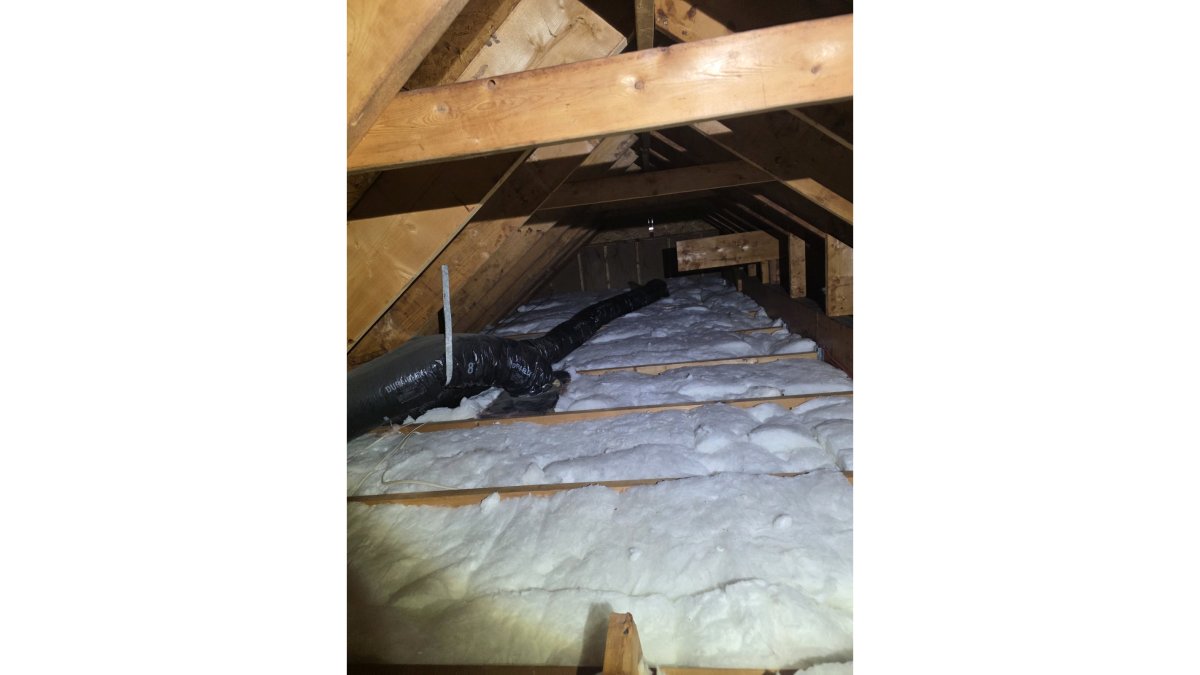
We also provide attic insulation and other home improvement services.
Areas We Serve
ETA Home Solutions serves homeowners throughout:
Charlotte, Matthews, Mint Hill, Indian Trail, Monroe, Waxhaw, and surrounding communities in the greater Charlotte area.
Schedule Your Free Crawl Space Inspection
If you're noticing musty odors, sagging insulation, condensation on ductwork, standing water, or an aging vapor barrier, the first step is identifying what's causing the problem.
Our team can inspect your crawl space, explain the findings, and provide a detailed estimate based on your home's needs.
ETA HOME SOLUTIONS LLC
Built on Faith. Focused on Quality.
Call or Text: (704) 776-8733
Website: https://etahomesolutions.com
Request your free crawl space inspection and estimate today.
Frequently Asked Questions
What is crawl space encapsulation?
Encapsulation is a crawl space moisture-control approach. Depending on the home's conditions, it may involve a vapor barrier, air sealing, insulation, a dehumidifier, or drainage work.
When does a crawl space need full encapsulation instead of a vapor barrier?
A basic vapor barrier may be sufficient when the crawl space is dry and there is no standing water or history of water intrusion. The appropriate approach depends on the home's conditions. A free crawl space inspection and estimate can help assess those conditions.
What vapor barrier thickness is best: 12 mil, 16 mil, or 20 mil?
Thicker liners resist tears, punctures, and foot traffic better, which matters in a space people occasionally crawl through for maintenance. A 12-mil liner is the lighter-duty option, 16-mil is a common middle ground for residential work, and 20-mil suits crawl spaces with rough soil, sharp debris, or more traffic. Thickness is only one factor; seams, wall attachment, and sealing details decide how well the system performs.
Does crawl space encapsulation require a dehumidifier?
A dehumidifier is not necessarily needed in every crawl space. Whether one is appropriate depends on the home's conditions.
Do crawl space foundation vents need to be sealed during encapsulation?
Whether foundation vents are sealed depends on the moisture-control approach and the home's conditions.
What are signs of moisture problems in a crawl space?
Possible signs of crawl space moisture concerns include musty odors, condensation, sagging insulation, dark staining on wood, or standing water. These signs may warrant an assessment.
What affects crawl space encapsulation cost in Charlotte?
The project scope may depend on the crawl space and the work involved, including drainage, dehumidification, insulation, or moisture control. Current pricing is available on the ETA Home Solutions website.
Should crawl space insulation go between the floor joists or on the foundation walls?
The appropriate insulation approach depends on the home's conditions. ETA Home Solutions provides crawl space insulation and insulation removal and replacement.
Your crawl space is either protecting your home or working against it, and in this climate, the difference shows up fast. ETA Home Solutions is a family-owned Charlotte company focused on crawl space solutions, with photo-documented work, honest recommendations, and free in-home consultations. Get started with ETA Home Solutions and schedule a free crawl space inspection to find out exactly what your home needs.
