
how-to
How to Get Rid of Crawl Space Moisture: 7 Effective Solutions for Charlotte, NC Homes
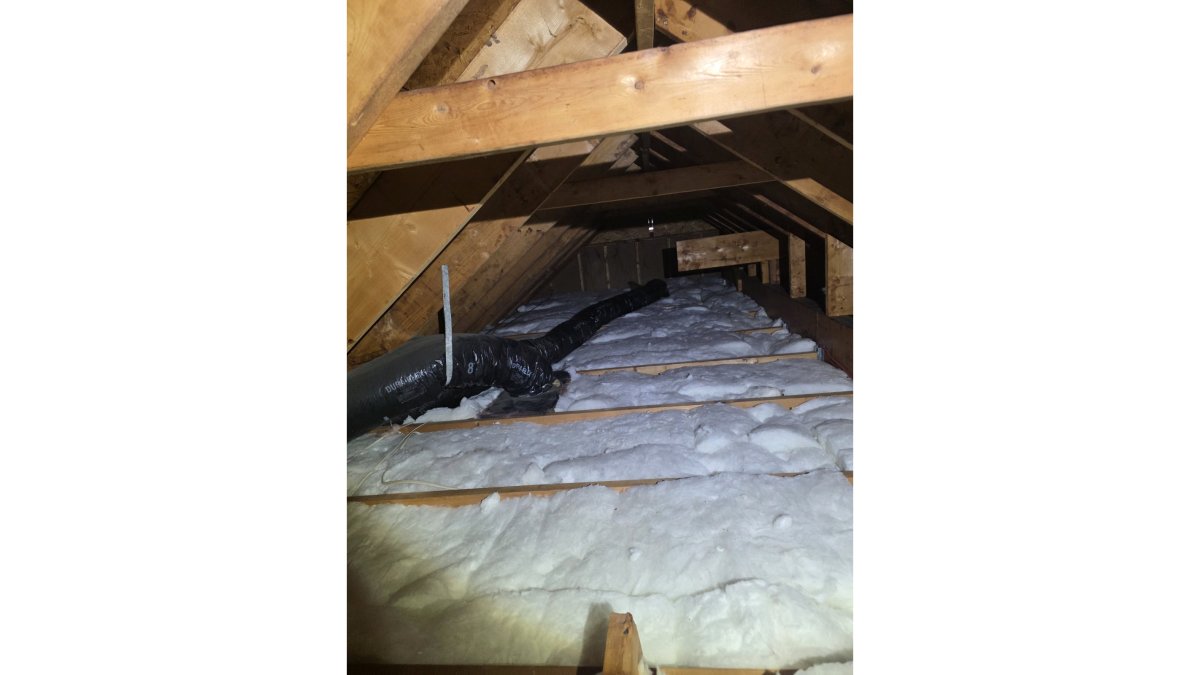
How to Get Rid of Crawl Space Moisture: 7 Effective Solutions for Charlotte, NC Homes
A practical homeowner's guide to finding the source of crawl space moisture, preventing recurring problems, and choosing the right repairs.
Finding moisture underneath your home can be concerning. Maybe you've noticed a musty smell, damp insulation, condensation on ductwork, or water collecting beneath your crawl space vapor barrier.
For homeowners in Charlotte, Matthews, Indian Trail, Waxhaw, Monroe, and surrounding North Carolina communities, crawl space moisture is a common concern—especially during humid summers and periods of heavy rainfall.
But here's something important: Not every moisture problem requires full encapsulation, a French drain, or an expensive dehumidifier.
The right solution depends on where the moisture is coming from.
At ETA Home Solutions LLC, we help homeowners evaluate crawl space conditions and understand which improvements may be appropriate.
In this guide, we'll explain seven ways to address crawl space moisture, what each solution accomplishes, and when professional help makes sense.
Table of Contents
- Why Is My Crawl Space Wet?
- How to Identify the Source of Moisture
- Fix #1: Repair Plumbing Leaks
- Fix #2: Improve Gutters, Downspouts, and Exterior Grading
- Fix #3: Install a Crawl Space Vapor Barrier
- Fix #4: Improve Crawl Space Drainage
- Fix #5: Consider Full Crawl Space Encapsulation
- Fix #6: Install a Crawl Space Dehumidifier
- Fix #7: Maintain and Inspect Your Crawl Space
- Which Crawl Space Moisture Solution Is Right for You?
- How Much Does Crawl Space Moisture Control Cost?
- Frequently Asked Questions
- Get a Free Crawl Space Estimate
1. Why Is My Crawl Space Wet?
Crawl spaces can develop moisture problems for several reasons.
Some moisture comes directly from the ground. Other problems originate from rainfall, humid outdoor air, condensation, or plumbing leaks.
Ground Moisture
Soil naturally contains moisture, even when it looks dry.
In crawl spaces with exposed dirt, water vapor can evaporate from the ground and contribute to elevated humidity.
Humid Outdoor Air
During warm North Carolina summers, humid outdoor air can enter crawl spaces through foundation vents and other openings.
When that air contacts cooler surfaces, condensation may form.
Poor Drainage
Rainwater can collect near the foundation when gutters overflow, downspouts discharge too close to the house, or surrounding soil slopes toward the building.
In some situations, water may enter the crawl space through or beneath the foundation.
Plumbing Leaks
Leaking supply lines, drainpipes, or plumbing connections can introduce water beneath the home.
These problems require attention to the plumbing source rather than simply installing a vapor barrier.
The first step toward controlling crawl space moisture is identifying its source.
2. How to Identify the Source of Moisture
Before spending money on repairs, look for clues that help explain where the water is coming from.
What You Notice | Possible Cause | What to Investigate |
|---|---|---|
Exposed damp soil | Ground moisture | Missing or damaged vapor barrier |
Water after heavy rainfall | Drainage or exterior runoff | Gutters, downspouts, grading, foundation |
Droplets on ductwork | Condensation | Humidity, air exchange, surface temperatures |
Water near plumbing | Possible plumbing leak | Supply lines, drains, fixtures |
Moisture beneath plastic | Soil moisture or water intrusion | Whether water is simply damp or actively pooling |
Persistently high humidity | Multiple possible moisture sources | Ground vapor, ventilation, leaks, drainage |
These are clues, not definitive diagnoses. More than one source may be contributing.
If you encounter standing water, electrical hazards, suspected sewage, unstable flooring, or other unsafe conditions, avoid entering the affected area until it has been evaluated.
3. Fix #1: Repair Plumbing Leaks
A crawl space vapor barrier cannot repair a leaking pipe.
If moisture originates from a supply line, drainpipe, or plumbing connection, the leak needs to be corrected.
Signs of a Possible Plumbing Leak
- A concentrated wet area beneath a bathroom or kitchen
- Water dripping from a pipe
- Staining around plumbing penetrations
- Moisture that persists during dry weather
- Wet insulation directly beneath plumbing
Not every isolated wet spot indicates a plumbing leak, but these conditions warrant investigation.
What should you do?
Have the plumbing issue evaluated and repaired by a qualified plumbing professional.
After the source has been corrected, damaged insulation or vapor barrier materials may need replacement.
ETA Home Solutions can assist with appropriate crawl space cleanup and insulation or barrier work after the plumbing repair.
4. Fix #2: Improve Gutters, Downspouts, and Exterior Grading
Sometimes the moisture problem begins outside the house.
Water flowing toward the foundation may eventually contribute to wet soil, foundation seepage, or standing water beneath the home.
Check Your Gutters
Clogged or damaged gutters can allow rainwater to spill near the foundation.
Keeping gutters clear and functioning properly helps direct roof runoff away from the house.
Check Your Downspouts
Downspouts that discharge directly beside the foundation can concentrate water in one location.
Appropriate extensions or drainage arrangements may help move that water farther away.
Check the Ground Slope
Ideally, surface water should drain away from the foundation rather than toward it.
Low areas near the house may collect rainwater and contribute to moisture problems.
However, grading changes should be planned carefully to avoid directing water toward neighboring properties or creating other drainage issues.
Why address the exterior first?
If rainwater is repeatedly flowing toward the house, improving exterior drainage may reduce or eliminate the need for more extensive interior work.
5. Fix #3: Install a Crawl Space Vapor Barrier
One of the most common crawl space moisture-control improvements is installing a ground vapor barrier.
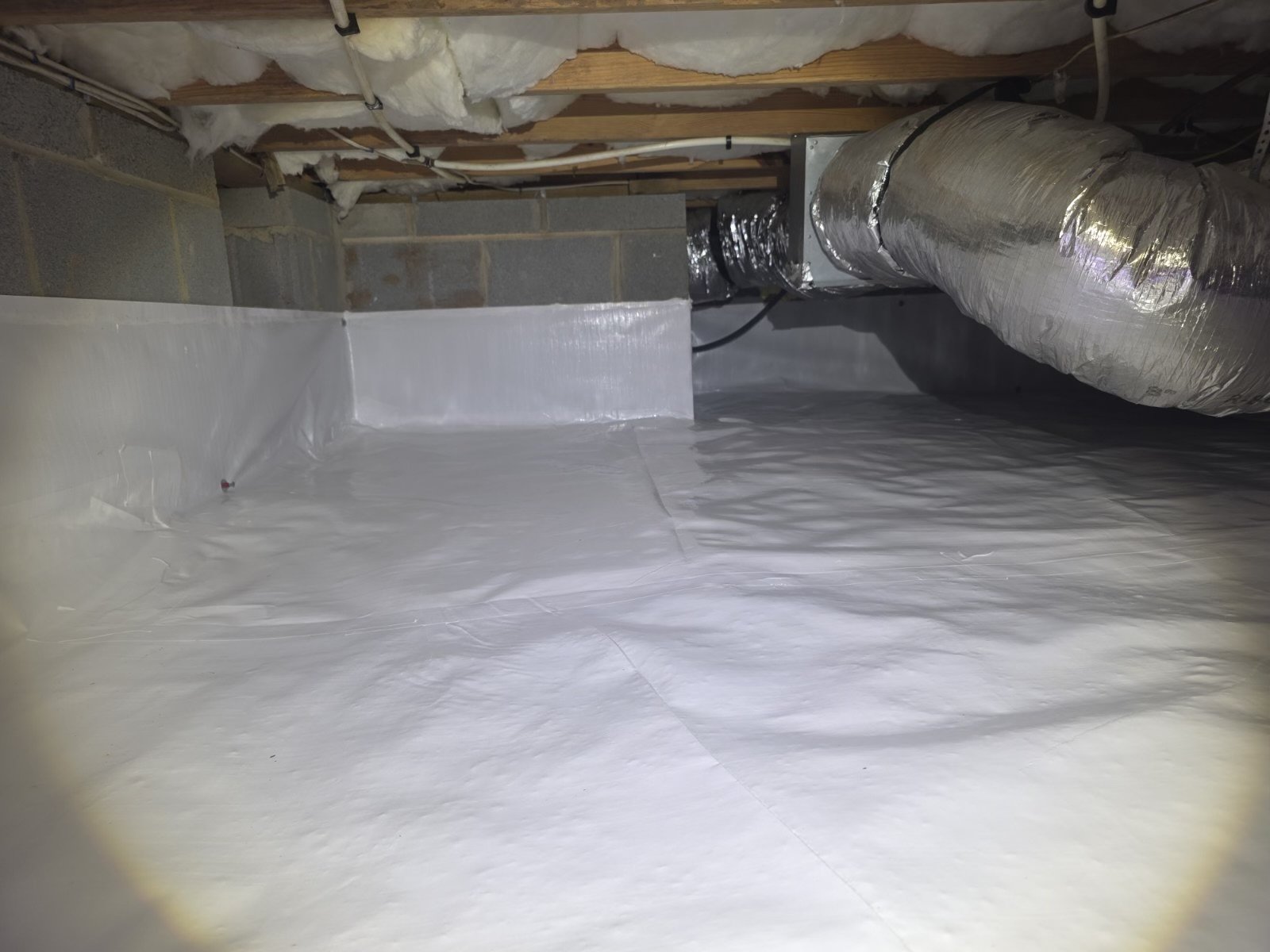
A vapor barrier is a moisture-resistant membrane placed over exposed soil.
Its primary purpose is to reduce water vapor evaporating from the ground into the crawl space air.
What Does a Vapor Barrier Help With?
A properly installed barrier can:
- Reduce ground moisture evaporation
- Cover exposed crawl space soil
- Help limit one source of elevated humidity
- Support a broader crawl space moisture-control strategy
What Doesn't a Vapor Barrier Fix?
A basic vapor barrier does not automatically:
- Stop flooding
- Repair plumbing leaks
- Prevent water from entering through foundation walls
- Eliminate humid outdoor air entering through vents
- Guarantee that mold or condensation will never occur
Does Vapor Barrier Thickness Matter?
Yes, but thickness is only one factor.
Six-mil polyethylene is used in some basic ground-cover applications. Heavier or reinforced membranes may offer greater resistance to punctures and wear.
Material selection should consider durability, vapor permeance, crawl space conditions, and applicable requirements.
A basic vapor barrier primarily covers the soil. A full encapsulation system includes additional sealing and moisture-control measures.
For a more detailed explanation of material options and installation, visit our crawl space vapor barrier installation service.
6. Fix #4: Improve Crawl Space Drainage
If water actively enters or collects beneath your home, a vapor barrier alone may not be enough.
Liquid water and water vapor are different problems.
Drainage solutions are designed to manage water movement and accumulation.
When Might a French Drain Be Appropriate?
A French drain or similar drainage system may be considered when water repeatedly enters or travels through a particular area.
Depending on the site, drainage may be installed outside or inside the foundation.
The location and design should be based on actual water conditions.
When Might a Sump Pump Be Needed?
A sump pump may be appropriate when water collects in a low area and cannot drain away adequately by gravity.
The pump collects water and discharges it to a suitable location.
Does Every Wet Crawl Space Need Drainage?
No.
Damp soil alone does not automatically mean a French drain or sump pump is necessary.
A homeowner with no standing water and no evidence of active water intrusion may benefit more from a vapor barrier or another moisture-control improvement.
The goal is to manage the actual source of water, not install drainage equipment unnecessarily.
7. Fix #5: Consider Full Crawl Space Encapsulation
A basic vapor barrier and full crawl space encapsulation are not the same thing.
A basic vapor barrier focuses primarily on moisture evaporating from the soil.
Full encapsulation is a more comprehensive approach to managing moisture and air movement within the crawl space.
Depending on the home's design and applicable requirements, encapsulation may involve:
- A heavy-duty ground vapor barrier
- Sealed membrane seams
- Foundation-wall liners
- Sealing foundation vents and other openings
- Crawl space air sealing
- Insulation improvements
- An appropriate humidity-control system
When Is Encapsulation Worth Considering?
Full encapsulation may be appropriate when a crawl space experiences persistent humidity, condensation, or uncontrolled outdoor air exchange.
However, sealing the crawl space must be accompanied by a suitable moisture-control, insulation, and conditioning or drying strategy.
It is also important to address active water intrusion before completing an encapsulation project.
Does Encapsulation Guarantee a Dry Crawl Space?
No.
Encapsulation can substantially improve moisture control when properly designed and installed, but it cannot guarantee that future leaks, flooding, equipment failures, or other moisture problems will never occur.
Learn more about ETA Home Solutions' full crawl space encapsulation services.
8. Fix #6: Install a Crawl Space Dehumidifier
Sometimes a crawl space has a vapor barrier but still experiences elevated humidity.
A dehumidifier can help remove excess moisture from the air.
How Does a Crawl Space Dehumidifier Work?
A dehumidifier draws in humid air, removes moisture, and returns drier air to the space.
The collected water is directed to an appropriate drain or condensate-disposal system.
When Is a Dehumidifier Helpful?
A dehumidifier may be useful when:
- Crawl space humidity remains elevated
- Condensation occurs on cooler surfaces
- A sealed crawl space requires additional drying capacity
- Ground moisture and other water sources have already been addressed
Can You Install a Dehumidifier Without Full Encapsulation?
In some situations, yes.
However, a highly vented or unsealed crawl space may allow substantial outdoor humidity to enter, reducing the effectiveness and efficiency of dehumidification.
The correct equipment and installation approach depend on the crawl space's size, moisture load, air exchange, and overall design.
ETA Home Solutions offers crawl space dehumidifier installation, including standalone installations when appropriate.
9. Fix #7: Maintain and Inspect Your Crawl Space
Even after moisture improvements are completed, occasional inspections are important.
Conditions beneath a home can change.
Plumbing work, heavy rainfall, damaged drainage components, and ordinary wear may introduce new problems.
What Should Homeowners Check?
- Torn or displaced vapor barrier material
- Separated seams
- New plumbing leaks
- Standing water
- Clogged gutters or disconnected downspouts
- Unusual condensation
- Damaged or fallen insulation
- Dehumidifier operation and drainage, if installed
An annual crawl space check is a reasonable starting point, along with additional inspections after known leaks or major water events.
Some inspections and repairs require professional assistance, particularly where access or safety conditions are difficult.
10. Which Crawl Space Moisture Solution Is Right for You?
Different moisture sources call for different solutions.
Moisture Problem | Possible Solution |
|---|---|
Exposed soil releasing water vapor | Ground vapor barrier |
Water collecting after rainfall | Investigate gutters, grading, and drainage |
Active plumbing leak | Plumbing repair |
Persistent humidity in a vented crawl space | Evaluate ventilation, air sealing, and moisture sources |
Elevated humidity in a sealed crawl space | Evaluate dehumidification and other moisture sources |
Multiple moisture and air-control concerns | Consider full encapsulation |
Damaged or missing insulation | Evaluate insulation replacement after addressing moisture |
These solutions are not mutually exclusive.
A crawl space may need more than one improvement, but the appropriate combination should be determined by the home's actual conditions.
For example, installing a dehumidifier without addressing significant water intrusion may leave the underlying problem unresolved.
Likewise, installing a French drain in a crawl space that has no drainage problem may add unnecessary expense.
11. How Much Does Crawl Space Moisture Control Cost?
The cost of addressing crawl space moisture in Charlotte depends on the problem and the work required.
Important factors include:
- Crawl space square footage
- Crawl space height and accessibility
- Existing insulation and debris
- Vapor barrier material selection
- Extent of water intrusion
- Drainage requirements
- Number of foundation vents and penetrations
- Dehumidifier equipment and installation
- Whether the project involves basic ground coverage or full encapsulation
A straightforward vapor barrier replacement will generally have a different cost than a project requiring drainage, insulation removal, air sealing, and dehumidification.
The most reliable way to understand pricing is through an on-site evaluation and a clearly defined scope of work.
ETA Home Solutions offers free crawl space estimates for homeowners throughout the Charlotte area.
12. Frequently Asked Questions
Why is my crawl space wet even though I have a vapor barrier?
A vapor barrier primarily reduces moisture evaporating from the soil. It does not stop every source of moisture. Rainwater intrusion, plumbing leaks, condensation, and humid outdoor air may still contribute to wet conditions.
Is moisture underneath a crawl space vapor barrier normal?
Damp soil beneath a vapor barrier can be normal. The membrane reduces moisture evaporation into the crawl space. However, significant pooling, water movement, or other signs of active intrusion should be investigated.
Will a dehumidifier fix standing water in my crawl space?
No. A dehumidifier removes moisture from the air, not standing water from the ground. Water intrusion and drainage problems need to be addressed separately.
Do I need a French drain if my crawl space soil is damp?
Not necessarily. Damp soil alone does not establish the need for a French drain. Drainage improvements are generally considered when water is entering, flowing, or accumulating in ways that require management.
Is a basic vapor barrier enough for a North Carolina crawl space?
It may be, depending on the crawl space's design, existing moisture conditions, ventilation, insulation, and applicable requirements. Other homes may benefit from additional moisture-control measures.
Can crawl space moisture cause mold?
Excess moisture can create conditions favorable to mold growth. However, not every damp crawl space has mold, and a vapor barrier alone does not guarantee mold prevention. Suspected widespread mold growth should be evaluated by an appropriately qualified professional.
Should I close my crawl space vents?
Not without considering the complete crawl space design. Sealed and vented crawl spaces have different requirements for insulation, moisture management, and conditioning or drying. Vent sealing should be part of a properly planned system.
How often should I inspect my crawl space?
An annual inspection is a useful starting point. Additional checks may be appropriate after heavy water intrusion, plumbing repairs, or changes in crawl space conditions.
Does ETA Home Solutions serve areas outside Charlotte?
Yes. ETA Home Solutions serves Charlotte and surrounding North Carolina communities, including Matthews, Indian Trail, Waxhaw, Monroe, Mint Hill, Weddington, and nearby areas.
13. Get a Free Crawl Space Estimate
Not sure what's causing moisture beneath your home?
Whether you're dealing with damp soil, torn vapor barriers, elevated humidity, or standing water, the first step is understanding the problem.
ETA Home Solutions LLC provides crawl space services throughout Charlotte and surrounding North Carolina communities.
Our services include vapor barrier installation, crawl space encapsulation, insulation removal and replacement, dehumidifier installation, air sealing, and drainage improvements.
We'll help you understand the available options and develop a scope of work based on your crawl space conditions.
ETA Home Solutions LLC
Phone: (704) 776-8733
Email: etahomesnc@gmail.com
Website: etahomesolutions.com
Request Your Free Crawl Space Estimate
BUILT ON FAITH. FOCUSED ON QUALITY.
Frequently Asked Questions
How can I tell whether crawl space moisture is from condensation or a plumbing leak?
Check the pattern. Condensation typically forms on cold surfaces like ductwork, pipes, and wood framing, and it clears up as the space warms or dries. A plumbing leak usually shows up as a concentrated wet spot, a drip line, or water staining near a supply or drain pipe. Look for active drips after running fixtures. If the moisture is spread across the floor or walls rather than one spot, it is more likely ground vapor or condensation. A free crawl space inspection can confirm the source before you spend money on the wrong fix.
Will a dehumidifier get rid of crawl space moisture?
A crawl space dehumidifier removes moisture from the air, which helps with condensation and high humidity. It will not fix water coming through the dirt floor or standing water from poor drainage. The most effective approach is to seal the ground with a vapor barrier first, then add a dehumidifier if humidity still runs high. Running a dehumidifier in an open, unsealed crawl space wastes energy because it pulls in outdoor humid air. Match the equipment to the actual source.
Do all crawl spaces need a sump pump or French drain?
No. Many crawl spaces stay dry with a properly installed vapor barrier and air sealing. A sump pump or French drain is worth considering when water pools on the floor, the soil stays saturated, or water runs in after heavy rain. Homes on sloped lots or with poor exterior grading often benefit from drainage improvements. The right answer depends on how much water enters and where it comes from, so have the space inspected before committing to a drainage system.
When should I call a crawl space professional about moisture?
Call a professional when you notice musty odors inside the home, visible mold or mildew on joists, sagging or fallen insulation, standing water, or wood that feels soft. These signs mean moisture has been present long enough to cause damage. A professional can measure humidity, trace the source, and recommend a fix that fits your home rather than a one-size-fits-all package. ETA Home Solutions offers free crawl space inspections and estimates so you can understand the problem before deciding.
Crawl space moisture rarely fixes itself, and the longer it sits, the more it costs to correct. If you are not sure whether your home needs a barrier, drainage, or a dehumidifier, that is exactly what a free crawl space inspection from ETA Home Solutions is for. We document what we find with photos, explain your options honestly, and never push a service your home does not need. Call (704) 776-8733 or visit etahomesolutions.com to schedule your free estimate.